
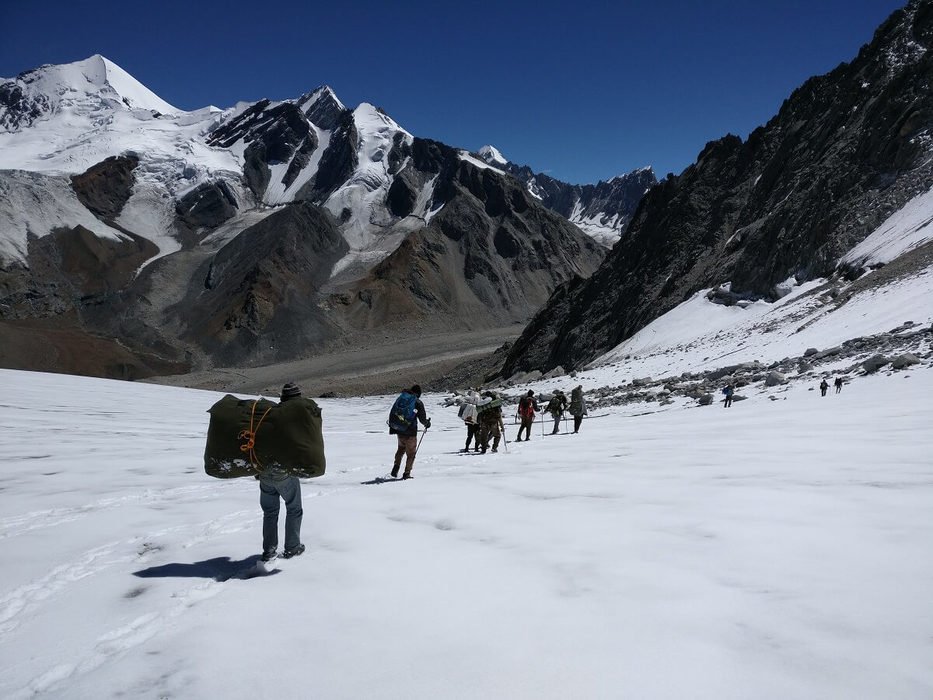
“Between June and October, set out on an exhilarating high-altitude trek surrounded by breathtaking landscapes.”
- Trip Type : Customised
- Activities : High Altitude Passes+ Adventure
Enquiry Form for Borasu Pass Base Trek
A 6N/7D difficult high-altitude trek in Govind Pashu Vihar, known for alpine landscapes and remote Himalayan trails.
Duration
A 6N/7D difficult high-altitude trek in Govind Pashu Vihar, known for alpine landscapes and remote Himalayan trails.
- Dehradun → Sankri
- Sankri → Osla → Kalkatiyadhar
- Trek via high camps
- Explore Borasu region
- Return to base
- Accommodation (guesthouse + camps)
- Meals
- Guides & permits
- Trek support
- Transport to base
- Personal gear
- Insurance
- Personal expenses
Gallery
FAQ
Find answers to your questions before joining a tour so that you can find out exactly what you want to know. If you have more question please feel free to reach us via contact form.
How difficult is the Borasu Pass trek?The Borasu Pass crossing is rated difficult and is not suitable for beginners, families or children. Expect 6 to 9 hours of walking on the longer days over boulders, moraine, steep ridges and glacier sections. Prior high altitude experience is strongly recommended.
The Borasu Pass crossing is rated difficult and is not suitable for beginners, families or children. Expect 6 to 9 hours of walking on the longer days over boulders, moraine, steep ridges and glacier sections. Prior high altitude experience is strongly recommended.
How many days is the Borasu Pass trek?The Divine Trail Borasu Pass Base trek runs 7 days and 6 nights. The full crossing runs from Sankri in Uttarakhand through Har Ki Dun and Morinda Tal to the pass, then down to Chitkul in Himachal Pradesh, covering roughly 40 to 63 km depending on the route.
The Divine Trail Borasu Pass Base trek runs 7 days and 6 nights. The full crossing runs from Sankri in Uttarakhand through Har Ki Dun and Morinda Tal to the pass, then down to Chitkul in Himachal Pradesh, covering roughly 40 to 63 km depending on the route.
What is the altitude of Borasu Pass?Borasu Pass sits at about 5,360 to 5,450 m, which is roughly 17,600 to 17,900 ft. Sankri, the starting village, is at about 1,920 m. Because of the height, the itinerary builds in acclimatisation days and health checks along the way.
Borasu Pass sits at about 5,360 to 5,450 m, which is roughly 17,600 to 17,900 ft. Sankri, the starting village, is at about 1,920 m. Because of the height, the itinerary builds in acclimatisation days and health checks along the way.
What is the best time for the Borasu Pass trek?May to June and September to mid October are the windows for the Borasu Pass trek. Early summer leaves snow at the higher altitudes, while autumn gives clearer skies and steadier weather. Nights near the pass sit below freezing and sudden snow is common.
May to June and September to mid October are the windows for the Borasu Pass trek. Early summer leaves snow at the higher altitudes, while autumn gives clearer skies and steadier weather. Nights near the pass sit below freezing and sudden snow is common.
What makes the Borasu Pass trek special?Borasu Pass links the Tons Valley in Uttarakhand with the Baspa Valley in Himachal, passing Har Ki Dun, the glacial Morinda Tal and the Zhupkia Glacier. Swargarohini stays in view, and the route ends at Chitkul, the last Indian village before the Tibet border.
Borasu Pass links the Tons Valley in Uttarakhand with the Baspa Valley in Himachal, passing Har Ki Dun, the glacial Morinda Tal and the Zhupkia Glacier. Swargarohini stays in view, and the route ends at Chitkul, the last Indian village before the Tibet border.
What equipment is needed for the Borasu Pass trek?Ropes, gaiters and crampons may be needed near Borasu Pass, and the route is remote with limited emergency exits. Solo trekking is not advisable. Divine Trail provides guided support for the crossing, and gear requirements are confirmed before departure.
Ropes, gaiters and crampons may be needed near Borasu Pass, and the route is remote with limited emergency exits. Solo trekking is not advisable. Divine Trail provides guided support for the crossing, and gear requirements are confirmed before departure.
How do I reach the Borasu Pass trek start point?Divine Trail groups drive from Dehradun to Sankri, about 190 to 200 km taking 8 to 10 hours. Reach Dehradun a day before departure. Because the trek finishes in Himachal, plan the return journey with your trek leader before you set out.
Divine Trail groups drive from Dehradun to Sankri, about 190 to 200 km taking 8 to 10 hours. Reach Dehradun a day before departure. Because the trek finishes in Himachal, plan the return journey with your trek leader before you set out.
The Ali Bedni Bugyal trek is rated easy to moderate and works well for beginners, thanks to its modest altitude, forgiving terrain and pleasant weather. The trek covers roughly 30 km in total. Some preparation such as regular walking or jogging beforehand still makes the days easier.
The Divine Trail Ali Bedni Bugyal trek runs 6 days and 5 nights. The base is Lohajung village in Chamoli district, about 10 to 12 hours by road from Rishikesh. The trail passes through forest and villages such as Didna before opening onto the meadows.
Bedni Top, the highest point of the Ali Bedni Bugyal trek, sits at about 12,550 ft, which is 3,825 m. The climb to it is spread across the trek rather than concentrated into one push, which keeps the altitude risk low for first time trekkers.
The Ali Bedni Bugyal trek crosses the twin meadows of Ali Bugyal and Bedni Bugyal, among the largest high altitude meadows in Asia. The sacred Bedni Kund lake sits on the route, and clear days bring views of Trishul, Nanda Ghunti and Nanda Devi.
The Ali Bedni Bugyal trek runs from about April to October. Late May and June bring wildflowers across the meadows, while September and October give the clearest skies and mountain views. Winter turns the meadows to snow, which is striking but considerably more demanding.
Accommodation on the Ali Bedni Bugyal trek combines homestays or guesthouses in villages such as Lohajung and Didna with alpine tents on the meadows. Tents are shared between two or three
The Divine Trail Ali Bedni Bugyal package includes meals through the trek, a trek guide with cook and support staff, transport from the pickup city, and accommodation in villages and tented camps. Personal expenses and anything outside the itinerary are charged separately.
Groups meet in Rishikesh for the Ali Bedni Bugyal trek. Jolly Grant Airport at Dehradun is about an hour away and Haridwar station is about 30 km away. Arrive the day before, and keep a two hour buffer before any onward train or flight on the return day.