
“Throughout the year, enjoy a perfect blend of leisure and trek for a balanced and refreshing experience.”
- Trip Type : FIXED Departure + Private
- Activities : Leisure
Enquiry Form for Tirthan – Jibhi – Jalori
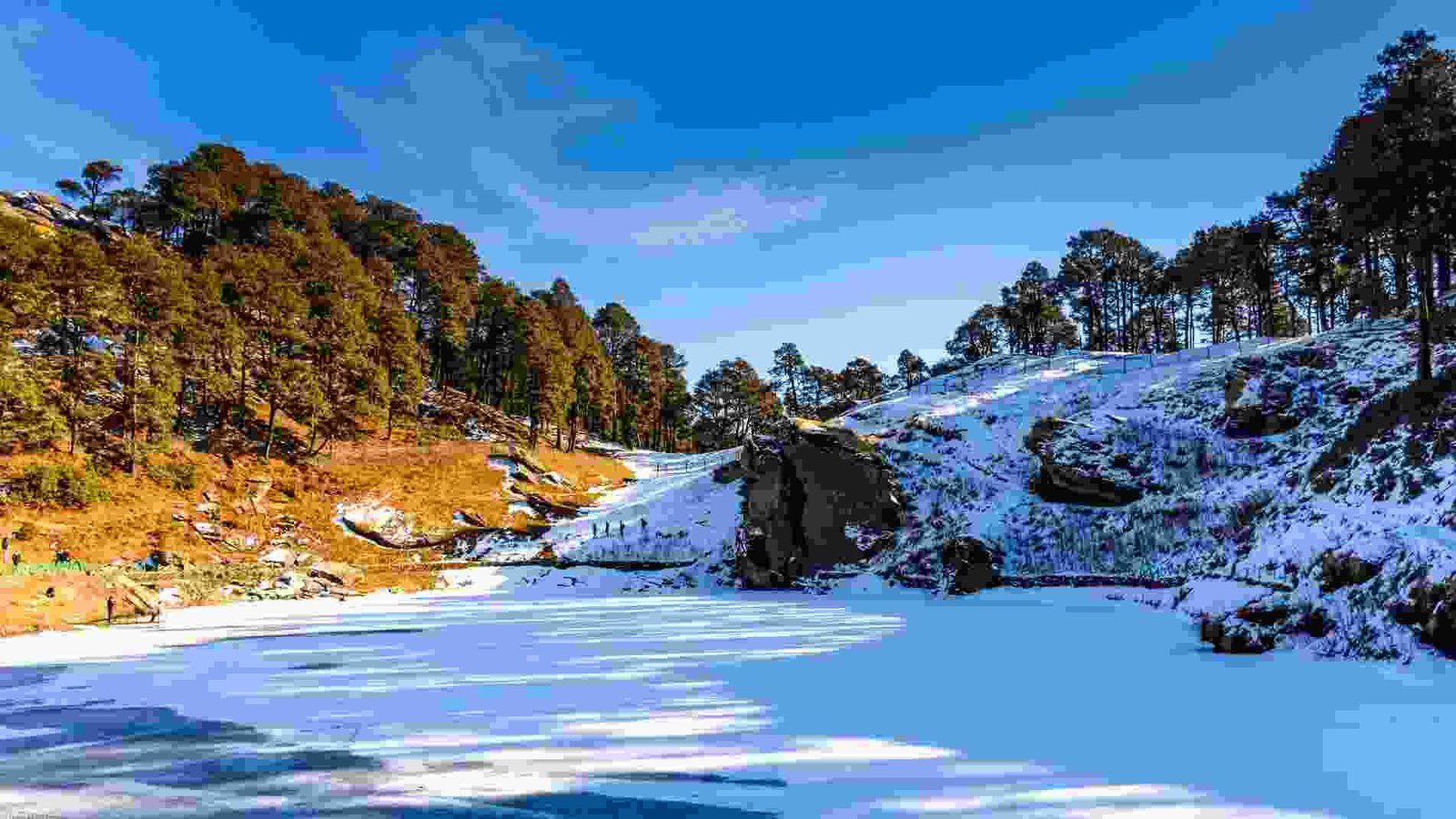
Located in Himachal’s Kullu district, Tirthan Valley is known for its pristine river, glacial origins, and proximity to the Great Himalayan National Park (GHNP). It offers serene landscapes, forest views, and peaceful retreats at ~1600m altitude.
Duration
Located in Himachal’s Kullu district, Tirthan Valley is known for its pristine river, glacial origins, and proximity to the Great Himalayan National Park (GHNP). It offers serene landscapes, forest views, and peaceful retreats at ~1600m altitude.
- Short 2N/3D getaway
- Covers Tirthan Valley, Jibhi & Jalori region
- Includes nature exploration and sightseeing
- Accommodation
- Local travel
- Basic trip coordination
- Personal expenses
- Anything not mentioned
Gallery
FAQ
Find answers to your questions before joining a tour so that you can find out exactly what you want to know. If you have more question please feel free to reach us via contact form.
How many days is the Jibhi and Tirthan Valley trip?The Divine Trail Jibhi, Tirthan and Jalori Pass trip runs 3 days and 2 nights. Groups start from Delhi, and the road journey to Jibhi takes about 8 to 12 hours, usually as an overnight drive so that the days are spent in the valley rather than on the road.
The Divine Trail Jibhi, Tirthan and Jalori Pass trip runs 3 days and 2 nights. Groups start from Delhi, and the road journey to Jibhi takes about 8 to 12 hours, usually as an overnight drive so that the days are spent in the valley rather than on the road.
Is the Jibhi and Tirthan trip suitable for beginners? Yes. The Jibhi, Tirthan and Jalori Pass trip is an easy, relaxed trip rather than a trek. Jalori Pass is reachable by road, and the optional walk to Serolsar Lake is about 4 km on a gentle forest trail. Basic fitness is enough.
Yes. The Jibhi, Tirthan and Jalori Pass trip is an easy, relaxed trip rather than a trek. Jalori Pass is reachable by road, and the optional walk to Serolsar Lake is about 4 km on a gentle forest trail. Basic fitness is enough.
What is the altitude of Jalori Pass?Jalori Pass sits at about 3,200 m and is one of the few high Himalayan passes reachable by road. It is usually ten degrees or more colder than Jibhi, so carry a warm layer for the day even when the valley itself is mild.
Jalori Pass sits at about 3,200 m and is one of the few high Himalayan passes reachable by road. It is usually ten degrees or more colder than Jibhi, so carry a warm layer for the day even when the valley itself is mild.
What are the highlights of the Jibhi and Tirthan trip?The trip covers Jalori Pass with its Himalayan views, the walk to Serolsar Lake, Jibhi Waterfall, Mini Thailand and Chhoie Waterfall in Tirthan. Village walks and the Great Himalayan National Park sit close by for anyone wanting an extra day.
The trip covers Jalori Pass with its Himalayan views, the walk to Serolsar Lake, Jibhi Waterfall, Mini Thailand and Chhoie Waterfall in Tirthan. Village walks and the Great Himalayan National Park sit close by for anyone wanting an extra day.
What is the best time to visit Jibhi and Tirthan Valley? April to June and October to November are the best months for Jibhi and Tirthan Valley. Winter brings snow, which can close access to Jalori Pass. July and August are best avoided because of landslide risk during the monsoon.
April to June and October to November are the best months for Jibhi and Tirthan Valley. Winter brings snow, which can close access to Jalori Pass. July and August are best avoided because of landslide risk during the monsoon.
Where will I stay in Jibhi and Tirthan?Stays are in homestays or guesthouses in Jibhi or Tirthan on double, triple or quad sharing. A bonfire evening is usually part of the plan. Rooms are simple wooden village stays rather than hotels, which is much of the appeal.
Stays are in homestays or guesthouses in Jibhi or Tirthan on double, triple or quad sharing. A bonfire evening is usually part of the plan. Rooms are simple wooden village stays rather than hotels, which is much of the appeal.
What should I pack for Jibhi and Tirthan? Carry warm layers including a down jacket and thermals, sturdy shoes, a daypack, gloves, personal medication and a valid photo ID. Jalori Pass is considerably colder than the valley floor, so pack for the pass rather than for Jibhi.
Carry warm layers including a down jacket and thermals, sturdy shoes, a daypack, gloves, personal medication and a valid photo ID. Jalori Pass is considerably colder than the valley floor, so pack for the pass rather than for Jibhi.
The Ali Bedni Bugyal trek is rated easy to moderate and works well for beginners, thanks to its modest altitude, forgiving terrain and pleasant weather. The trek covers roughly 30 km in total. Some preparation such as regular walking or jogging beforehand still makes the days easier.
The Divine Trail Ali Bedni Bugyal trek runs 6 days and 5 nights. The base is Lohajung village in Chamoli district, about 10 to 12 hours by road from Rishikesh. The trail passes through forest and villages such as Didna before opening onto the meadows.
Bedni Top, the highest point of the Ali Bedni Bugyal trek, sits at about 12,550 ft, which is 3,825 m. The climb to it is spread across the trek rather than concentrated into one push, which keeps the altitude risk low for first time trekkers.
The Ali Bedni Bugyal trek crosses the twin meadows of Ali Bugyal and Bedni Bugyal, among the largest high altitude meadows in Asia. The sacred Bedni Kund lake sits on the route, and clear days bring views of Trishul, Nanda Ghunti and Nanda Devi.
The Ali Bedni Bugyal trek runs from about April to October. Late May and June bring wildflowers across the meadows, while September and October give the clearest skies and mountain views. Winter turns the meadows to snow, which is striking but considerably more demanding.
Accommodation on the Ali Bedni Bugyal trek combines homestays or guesthouses in villages such as Lohajung and Didna with alpine tents on the meadows. Tents are shared between two or three
The Divine Trail Ali Bedni Bugyal package includes meals through the trek, a trek guide with cook and support staff, transport from the pickup city, and accommodation in villages and tented camps. Personal expenses and anything outside the itinerary are charged separately.
Groups meet in Rishikesh for the Ali Bedni Bugyal trek. Jolly Grant Airport at Dehradun is about an hour away and Haridwar station is about 30 km away. Arrive the day before, and keep a two hour buffer before any onward train or flight on the return day.