
“Between May and October, set out on an unforgettable high-altitude adventure infused with spiritual energy.”
- Trip Type : Fixed Group + Private
- Activities : Spiritual Treks, Spiritual+Adventure Treks
Enquiry Form for Kailash Mansarovar Yatra
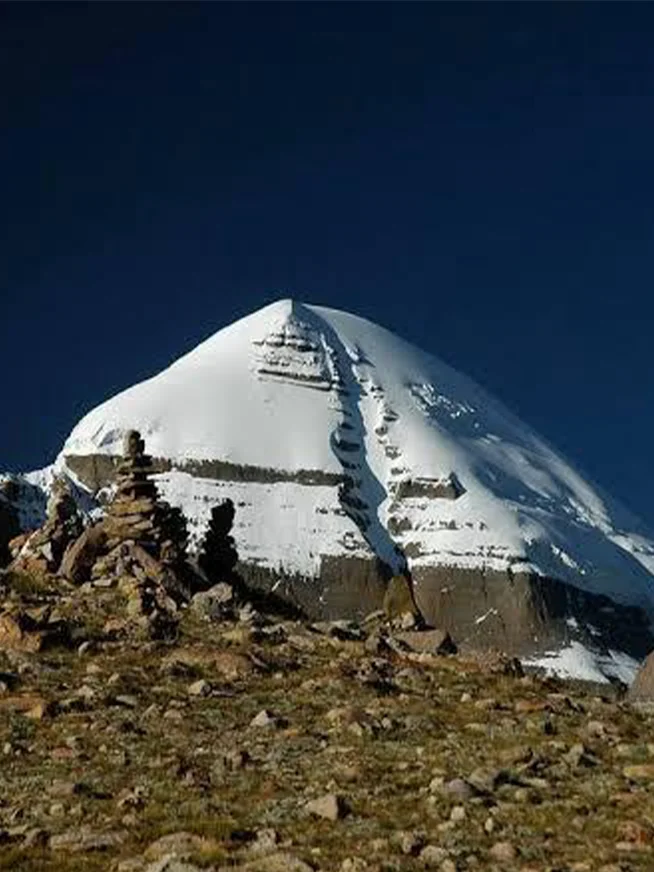
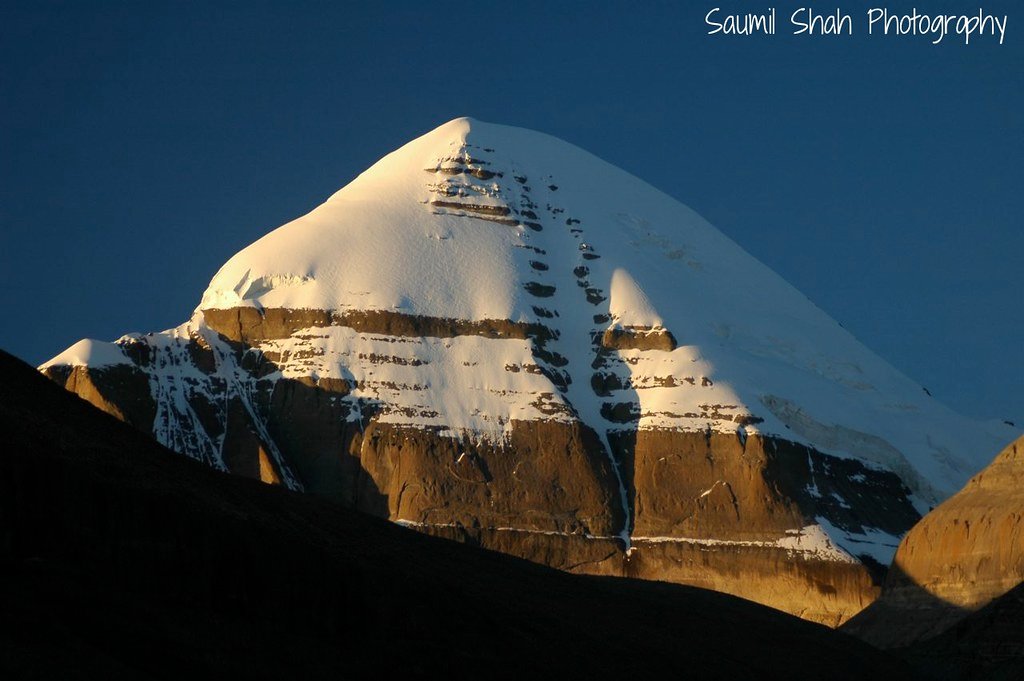
Kailash Mansarovar Yatra is a 14-day overland pilgrimage to Mount Kailash and Lake Mansarovar in Tibet, travelling via Nepal through the Kyirong border. The route includes acclimatisation days, a Mansarovar Lake stay and the three-day Kailash Parikrama. The yatra runs between May and October.
Duration
Kailash Mansarovar Yatra is a 14-day overland pilgrimage to Mount Kailash and Lake Mansarovar in Tibet, travelling via Nepal through the Kyirong border. The route includes acclimatisation days, a Mansarovar Lake stay and the three-day Kailash Parikrama. The yatra runs between May and October.
Kailash Mansarovar Yatra Package
The Divine Trail Kailash Mansarovar Yatra package is a 14-day overland journey that begins and ends in Kathmandu. It is built around acclimatisation rather than speed, because the parikrama crosses Dolma La at 5,630 metres and the body needs days, not hours, to adjust to that.
Nights in Kathmandu are in 3 to 5 star hotels. Across Tibet the stays are guesthouses, which is what is available on this route. Meals are vegetarian throughout and are included from arrival to departure. Road travel is by bus, with the guide, permits and Chinese group visa handled by Divine Trail before you land.
The yatra runs as fixed group departures between May and October, and as private departures for families or temple groups who want their own dates. Group departures suit solo travellers and couples who are happy to join others. Private departures cost more per head but give you control over the pace and the room allocation.
Kailash Mansarovar Yatra Itinerary
The route in outline. Exact overnight stops shift by a day when border formalities or weather demand it.
Kailash Mansarovar Yatra from Nepal
Divine Trail runs this yatra through Nepal rather than through Uttarakhand, and the reason is practical. The Nepal route enters Tibet at the Kyirong border, a few hours drive from Kathmandu, and it does not depend on the Ministry of External Affairs lottery that governs the Lipulekh route from India.
That means more departure dates through the season, no ballot to clear, and a shorter overall trip. It also means the whole journey is on road rather than on foot until the parikrama itself, which suits pilgrims who are not looking for a multi-day trekking approach.
Nepal route compared with the Uttarakhand route
- Entry point: Kyirong in Nepal, against Lipulekh Pass from Uttarakhand
- Selection: open booking, against a government ballot
- Approach: road travel throughout, against several days of trekking
- Departures: multiple batches from May to October, against a fixed government calendar
- Base city: Kathmandu, against Delhi and Dharchula
Pilgrims travelling from India fly to Kathmandu and join the group there. Divine Trail can advise on connecting flights when you book.
Kailash Mansarovar Yatra Registration
Registration for a Divine Trail departure opens well before the season. Because the Chinese group visa is issued to the whole batch together, seats close earlier than most pilgrims expect. Booking three to four months ahead of your preferred month is the safe window.
What you need to register
- Original passport valid for at least six months beyond the travel date
- Recent passport size photographs against a white background
- A completed medical fitness declaration
- Booking advance to hold your seat on the batch
Once the batch is confirmed, Divine Trail files the Tibet travel permit and the Chinese group visa on your behalf. Your passport stays with the group application for a set period, so plan any other international travel around it.
Departure dates, seat availability and the registration form.
Kailash Mansarovar Yatra Cost
The cost of the Kailash Mansarovar Yatra depends on three things: whether you join a fixed group departure or travel as a private group, whether you take twin sharing or single occupancy, and the departure month you pick. Peak months around Saga Dawa fill early and are priced differently from the shoulder weeks in September and October.
Divine Trail quotes each departure individually rather than publishing a single figure, because permit and group visa charges are revised by the Tibetan authorities every season. Message us on WhatsApp with your preferred month and group size and you will get the current per-person cost the same day.
What the cost covers
-
- Accommodation in Kathmandu and guesthouse stays across Tibet
- Vegetarian breakfast, lunch and dinner for the full 14 days
- Road transport by bus through Nepal and Tibet
- Tibet travel permits and the Chinese group visa
- Experienced yatra guide and support staff throughout
What sits outside the cost
-
- Personal expenses, shopping and tips
- Travel and medical insurance
- Costs arising from road closures, weather delays or border holds
- Pony and porter hire during the parikrama, if you choose to use them
- Emergency evacuation and helicopter costs
Kailash Mansarovar Yatra is a 14-day overland pilgrimage to Mount Kailash and Lake Mansarovar in Tibet, travelling via Nepal through the Kyirong border. The route includes acclimatisation days, a Mansarovar Lake stay and the three-day Kailash Parikrama. The yatra runs between May and October.
Kailash Mansarovar Yatra Package
The Divine Trail Kailash Mansarovar Yatra package is a 14-day overland journey that begins and ends in Kathmandu. It is built around acclimatisation rather than speed, because the parikrama crosses Dolma La at 5,630 metres and the body needs days, not hours, to adjust to that.
Nights in Kathmandu are in 3 to 5 star hotels. Across Tibet the stays are guesthouses, which is what is available on this route. Meals are vegetarian throughout and are included from arrival to departure. Road travel is by bus, with the guide, permits and Chinese group visa handled by Divine Trail before you land.
The yatra runs as fixed group departures between May and October, and as private departures for families or temple groups who want their own dates. Group departures suit solo travellers and couples who are happy to join others. Private departures cost more per head but give you control over the pace and the room allocation.
Kailash Mansarovar Yatra Itinerary
The route in outline. Exact overnight stops shift by a day when border formalities or weather demand it.
Kailash Mansarovar Yatra from Nepal
Divine Trail runs this yatra through Nepal rather than through Uttarakhand, and the reason is practical. The Nepal route enters Tibet at the Kyirong border, a few hours drive from Kathmandu, and it does not depend on the Ministry of External Affairs lottery that governs the Lipulekh route from India.
That means more departure dates through the season, no ballot to clear, and a shorter overall trip. It also means the whole journey is on road rather than on foot until the parikrama itself, which suits pilgrims who are not looking for a multi-day trekking approach.
Nepal route compared with the Uttarakhand route
- Entry point: Kyirong in Nepal, against Lipulekh Pass from Uttarakhand
- Selection: open booking, against a government ballot
- Approach: road travel throughout, against several days of trekking
- Departures: multiple batches from May to October, against a fixed government calendar
- Base city: Kathmandu, against Delhi and Dharchula
Pilgrims travelling from India fly to Kathmandu and join the group there. Divine Trail can advise on connecting flights when you book.
Kailash Mansarovar Yatra Registration
Registration for a Divine Trail departure opens well before the season. Because the Chinese group visa is issued to the whole batch together, seats close earlier than most pilgrims expect. Booking three to four months ahead of your preferred month is the safe window.
What you need to register
- Original passport valid for at least six months beyond the travel date
- Recent passport size photographs against a white background
- A completed medical fitness declaration
- Booking advance to hold your seat on the batch
Once the batch is confirmed, Divine Trail files the Tibet travel permit and the Chinese group visa on your behalf. Your passport stays with the group application for a set period, so plan any other international travel around it.
Departure dates, seat availability and the registration form.
Kailash Mansarovar Yatra Cost
The cost of the Kailash Mansarovar Yatra depends on three things: whether you join a fixed group departure or travel as a private group, whether you take twin sharing or single occupancy, and the departure month you pick. Peak months around Saga Dawa fill early and are priced differently from the shoulder weeks in September and October.
Divine Trail quotes each departure individually rather than publishing a single figure, because permit and group visa charges are revised by the Tibetan authorities every season. Message us on WhatsApp with your preferred month and group size and you will get the current per-person cost the same day.
What the cost covers
-
- Accommodation in Kathmandu and guesthouse stays across Tibet
- Vegetarian breakfast, lunch and dinner for the full 14 days
- Road transport by bus through Nepal and Tibet
- Tibet travel permits and the Chinese group visa
- Experienced yatra guide and support staff throughout
What sits outside the cost
-
- Personal expenses, shopping and tips
- Travel and medical insurance
- Costs arising from road closures, weather delays or border holds
- Pony and porter hire during the parikrama, if you choose to use them
- Emergency evacuation and helicopter costs
Gallery
FAQ
Find answers to your questions before joining a tour so that you can find out exactly what you want to know. If you have more question please feel free to reach us via contact form.
The Ali Bedni Bugyal trek is rated easy to moderate and works well for beginners, thanks to its modest altitude, forgiving terrain and pleasant weather. The trek covers roughly 30 km in total. Some preparation such as regular walking or jogging beforehand still makes the days easier.
The Divine Trail Ali Bedni Bugyal trek runs 6 days and 5 nights. The base is Lohajung village in Chamoli district, about 10 to 12 hours by road from Rishikesh. The trail passes through forest and villages such as Didna before opening onto the meadows.
Bedni Top, the highest point of the Ali Bedni Bugyal trek, sits at about 12,550 ft, which is 3,825 m. The climb to it is spread across the trek rather than concentrated into one push, which keeps the altitude risk low for first time trekkers.
The Ali Bedni Bugyal trek crosses the twin meadows of Ali Bugyal and Bedni Bugyal, among the largest high altitude meadows in Asia. The sacred Bedni Kund lake sits on the route, and clear days bring views of Trishul, Nanda Ghunti and Nanda Devi.
The Ali Bedni Bugyal trek runs from about April to October. Late May and June bring wildflowers across the meadows, while September and October give the clearest skies and mountain views. Winter turns the meadows to snow, which is striking but considerably more demanding.
Accommodation on the Ali Bedni Bugyal trek combines homestays or guesthouses in villages such as Lohajung and Didna with alpine tents on the meadows. Tents are shared between two or three
The Divine Trail Ali Bedni Bugyal package includes meals through the trek, a trek guide with cook and support staff, transport from the pickup city, and accommodation in villages and tented camps. Personal expenses and anything outside the itinerary are charged separately.
Groups meet in Rishikesh for the Ali Bedni Bugyal trek. Jolly Grant Airport at Dehradun is about an hour away and Haridwar station is about 30 km away. Arrive the day before, and keep a two hour buffer before any onward train or flight on the return day.