
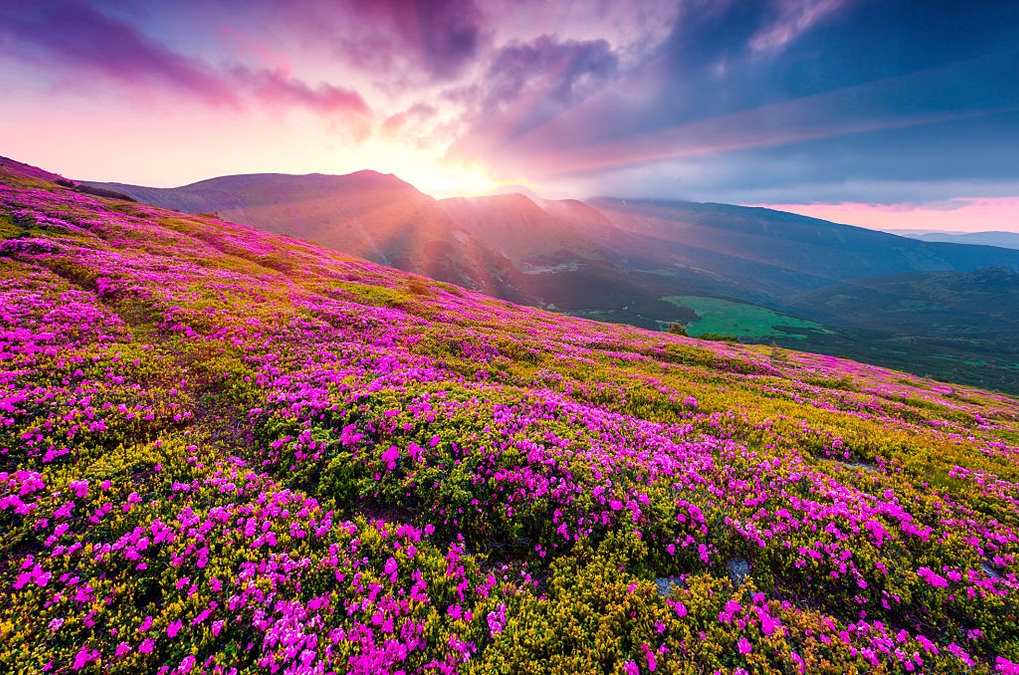
“Between June and October, dive into an unforgettable escape combining spiritual vibes, thrilling adventure, and lush natural landscapes.”
- Trip Type : Fixed Group + Private
- Activities : Spiritual Treks, Spiritual+Adventure Treks
Enquiry Form for Valley of Flowers Trek
A 5N/6D scenic trek from Rishikesh exploring the UNESCO-listed Valley of Flowers and Hemkund Sahib, known for alpine flora and spiritual beauty.
Duration
A 5N/6D scenic trek from Rishikesh exploring the UNESCO-listed Valley of Flowers and Hemkund Sahib, known for alpine flora and spiritual beauty.
- Rishikesh → Joshimath
- Joshimath → Ghangaria
- Visit Valley of Flowers
- Trek to Hemkund Sahib
- Return via Govindghat
- Accommodation (hotel & homestay)
- Meals (Breakfast/Lunch/Dinner)
- Transportation
- Trek coordination
- Personal expenses
- Entry fees (if any)
- Porter/pony
- Anything not mentioned
Gallery
FAQ
Find answers to your questions before joining a tour so that you can find out exactly what you want to know. If you have more question please feel free to reach us via contact form.
How difficult is the Valley of Flowers trek?The Valley of Flowers trek is rated easy to moderate and suits first time trekkers and families. The valley walk itself is gentle. The hardest section is the optional climb to Hemkund Sahib, which gains around 4,300 ft in a single day.
The Valley of Flowers trek is rated easy to moderate and suits first time trekkers and families. The valley walk itself is gentle. The hardest section is the optional climb to Hemkund Sahib, which gains around 4,300 ft in a single day.
How many days is the Valley of Flowers trek?The Divine Trail Valley of Flowers trek runs 5 to 6 days, covering about 37 to 40 km. The route runs Govindghat to Pulna to Ghangaria, roughly 9 to 13 km, then a day walk into the valley of about 4 to 5 km each way.
The Divine Trail Valley of Flowers trek runs 5 to 6 days, covering about 37 to 40 km. The route runs Govindghat to Pulna to Ghangaria, roughly 9 to 13 km, then a day walk into the valley of about 4 to 5 km each way.
What is the best time to visit the Valley of Flowers?The Valley of Flowers is open roughly from June to October, and mid July to mid August is peak bloom. This is monsoon season, so expect frequent rain and the chance of roadblocks. Keep a buffer day in your plans for the return journey.
The Valley of Flowers is open roughly from June to October, and mid July to mid August is peak bloom. This is monsoon season, so expect frequent rain and the chance of roadblocks. Keep a buffer day in your plans for the return journey.
What is the altitude of the Valley of Flowers?The Valley of Flowers sits at about 3,200 m, which is 10,500 ft. Ghangaria, the base for the day walks, is at about 10,600 ft. Hemkund Sahib at around 14,100 ft is the highest point, so go slowly and stay hydrated on that day.
The Valley of Flowers sits at about 3,200 m, which is 10,500 ft. Ghangaria, the base for the day walks, is at about 10,600 ft. Hemkund Sahib at around 14,100 ft is the highest point, so go slowly and stay hydrated on that day.
Do I need a permit for the Valley of Flowers?Yes. Every visitor needs a forest entry permit for the Valley of Flowers National Park, with different fees for Indian and foreign nationals. Fees and rules are revised between seasons, so check the official Uttarakhand forest portal at valleyofflower.uk.gov.in for current details before you travel.
Yes. Every visitor needs a forest entry permit for the Valley of Flowers National Park, with different fees for Indian and foreign nationals. Fees and rules are revised between seasons, so check the official Uttarakhand forest portal at valleyofflower.uk.gov.in for current details before you travel.
Can I camp inside the Valley of Flowers?No. Camping is not allowed inside the Valley of Flowers National Park, so the group returns to Ghangaria each evening. Accommodation at Ghangaria is basic lodges and guesthouses. Mules can be used up to Ghangaria and Hemkund, but not inside the valley itself.
No. Camping is not allowed inside the Valley of Flowers National Park, so the group returns to Ghangaria each evening. Accommodation at Ghangaria is basic lodges and guesthouses. Mules can be used up to Ghangaria and Hemkund, but not inside the valley itself.
Is Hemkund Sahib included in the Valley of Flowers trek?Hemkund Sahib is an optional extra day on the Valley of Flowers trek, about 6 km each way from Ghangaria. It is the hardest day of the trip, gaining around 4,300 ft. Confirm with Divine Trail whether your departure includes it.
Hemkund Sahib is an optional extra day on the Valley of Flowers trek, about 6 km each way from Ghangaria. It is the hardest day of the trip, gaining around 4,300 ft. Confirm with Divine Trail whether your departure includes it.
What should I pack for the Valley of Flowers trek? Pack a rain jacket or poncho, a backpack rain cover, waterproof trekking shoes and spare socks for the Valley of Flowers trek, along with a warm layer for Ghangaria and Hemkund. Temperatures sit between 5 and 20 degrees Celsius. Network is patchy but available at Ghangaria.
Pack a rain jacket or poncho, a backpack rain cover, waterproof trekking shoes and spare socks for the Valley of Flowers trek, along with a warm layer for Ghangaria and Hemkund. Temperatures sit between 5 and 20 degrees Celsius. Network is patchy but available at Ghangaria.
The Ali Bedni Bugyal trek is rated easy to moderate and works well for beginners, thanks to its modest altitude, forgiving terrain and pleasant weather. The trek covers roughly 30 km in total. Some preparation such as regular walking or jogging beforehand still makes the days easier.
The Divine Trail Ali Bedni Bugyal trek runs 6 days and 5 nights. The base is Lohajung village in Chamoli district, about 10 to 12 hours by road from Rishikesh. The trail passes through forest and villages such as Didna before opening onto the meadows.
Bedni Top, the highest point of the Ali Bedni Bugyal trek, sits at about 12,550 ft, which is 3,825 m. The climb to it is spread across the trek rather than concentrated into one push, which keeps the altitude risk low for first time trekkers.
The Ali Bedni Bugyal trek crosses the twin meadows of Ali Bugyal and Bedni Bugyal, among the largest high altitude meadows in Asia. The sacred Bedni Kund lake sits on the route, and clear days bring views of Trishul, Nanda Ghunti and Nanda Devi.
The Ali Bedni Bugyal trek runs from about April to October. Late May and June bring wildflowers across the meadows, while September and October give the clearest skies and mountain views. Winter turns the meadows to snow, which is striking but considerably more demanding.
Accommodation on the Ali Bedni Bugyal trek combines homestays or guesthouses in villages such as Lohajung and Didna with alpine tents on the meadows. Tents are shared between two or three
The Divine Trail Ali Bedni Bugyal package includes meals through the trek, a trek guide with cook and support staff, transport from the pickup city, and accommodation in villages and tented camps. Personal expenses and anything outside the itinerary are charged separately.
Groups meet in Rishikesh for the Ali Bedni Bugyal trek. Jolly Grant Airport at Dehradun is about an hour away and Haridwar station is about 30 km away. Arrive the day before, and keep a two hour buffer before any onward train or flight on the return day.