
Backpacking Trips in India
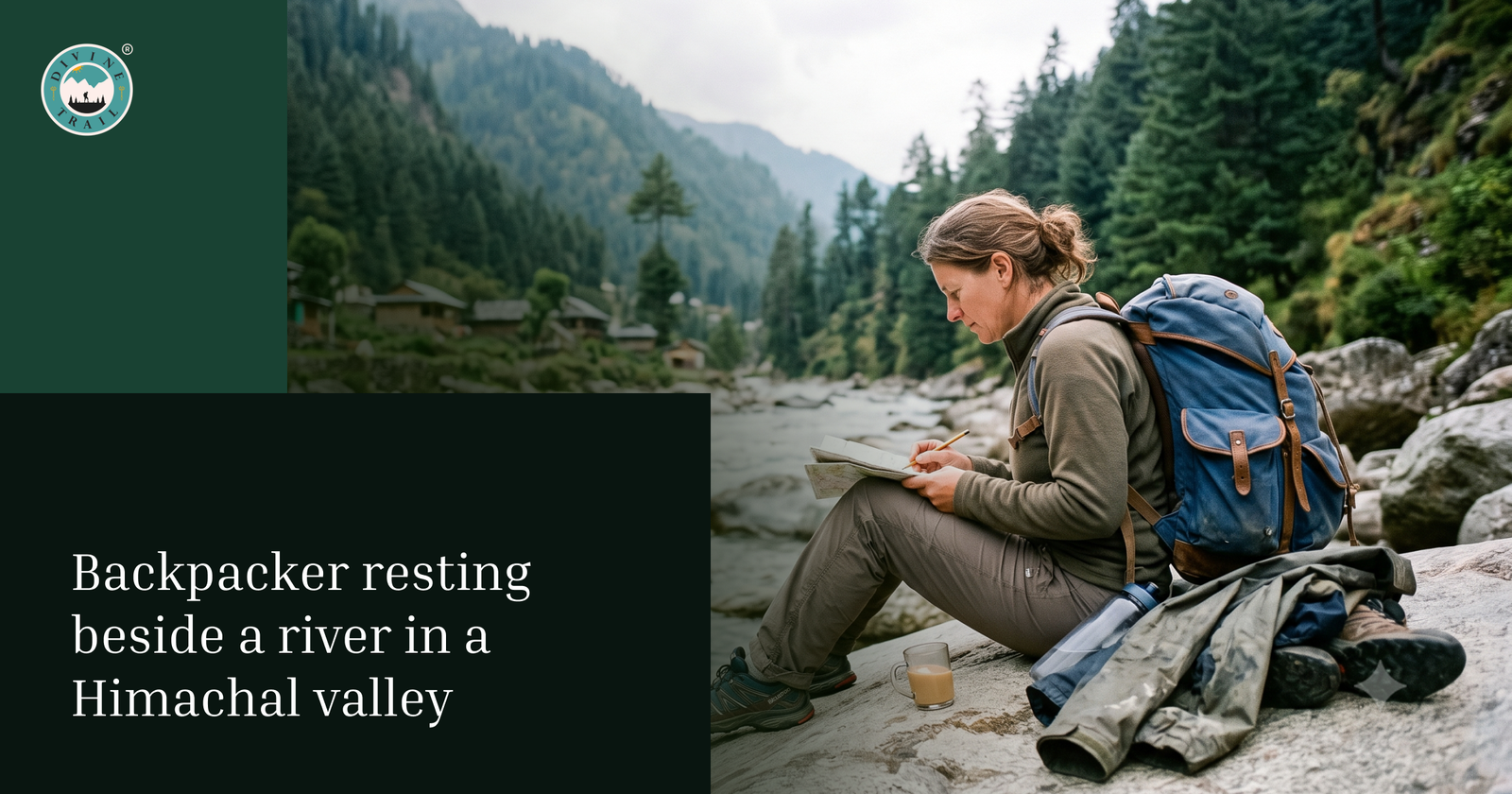
Backpacking in India usually means one of two things. Either you are moving slowly through a region with no fixed plan, or you are joining a small group doing a set route with the freedom to wander at each stop. Both work in the Himalayas. The second is easier if it is your first time.
These are the routes worth building a trip around.
What Himalayan backpacking actually involves
Shorter distances than people expect and slower travel than the map suggests. A hundred kilometres in the hills is a five-hour drive, not a ninety-minute one. Plan fewer stops than you think you need.
Accommodation is homestays, hostels and small guesthouses. Food is local and simple. Connectivity drops out regularly, and that is generally the best part.
Routes worth doing
Jibhi, Tirthan Valley and Jalori Pass
Duration: 3 days, 2 nights
The quietest of the Himachal valleys and the one that still feels unfound. Wooden houses, trout streams, and the Jalori Pass road that opens onto a completely different landscape on the other side. Good all year.
Manali, Kasol and Sissu
Kasol for the Parvati Valley and the crowd it draws, Manali as the base, and Sissu on the far side of the Atal Tunnel where the landscape changes to bare Lahaul rock. A good introduction to how quickly the Himalayas change character.
McLeod Ganj, Triund and Dharamshala
Duration: 3 days, 2 nights
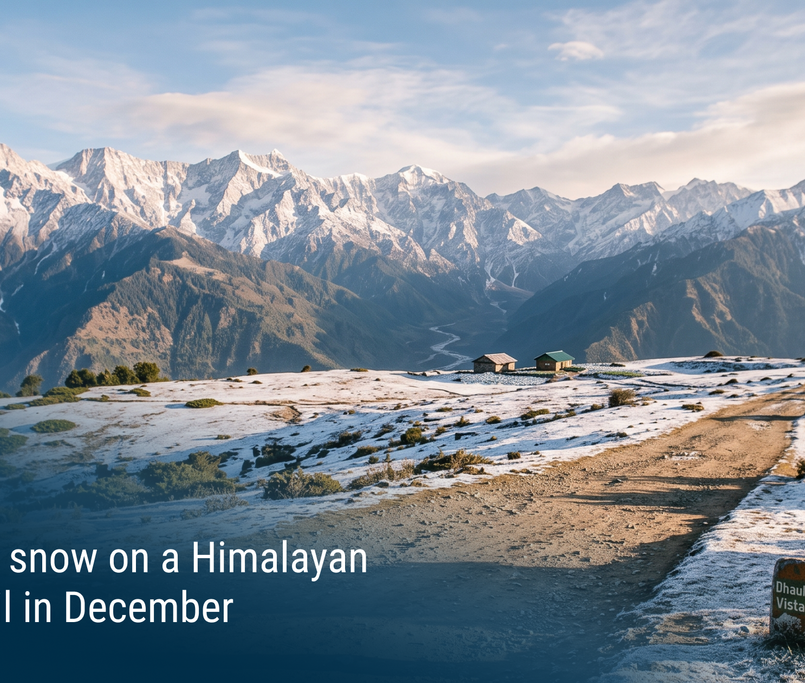
The most accessible Himalayan trek in the country. Triund is a single day’s walk up from McLeod Ganj to a ridge that looks straight into the Dhauladhar range. Below it, McLeod Ganj has cafes, monasteries and a Tibetan community that has been there sixty years.
Winter Spiti
Duration: 8 days, 7 nights
The serious one. Spiti in winter is cut off, minus twenty, and unlike anywhere else in India. Village homestays, frozen rivers and a landscape with almost nothing growing on it. Not a first trip.
Solo or with a group
Solo gives you complete control and costs less. It also means arranging your own transport, finding your own stays and handling problems alone in places where phone signal is not guaranteed.
Joining a small group means fixed dates and shared decisions, but transport, stays and a local guide are handled. For a first Himalayan trip, or for winter Spiti at any experience level, the group is the sensible choice.
Divine Trail runs both fixed departures and private groups.
Budget and how long to plan
Budget depends on how you travel, where you stay and whether you join a group. Message Divine Trail on WhatsApp for current pricing on any of these routes.
On duration: three days is enough for Jibhi or Triund. Manali and Kasol want five to six. Winter Spiti needs the full eight, and cutting it short is how people end up stuck by weather.
Frequently asked questions
Where should I backpack in India for the first time?
Jibhi and Tirthan Valley, or McLeod Ganj and Triund. Both are short, accessible and forgiving.
Is solo backpacking safe in the Himalayas?
Broadly yes, on the routes here. The main risks are weather, road closures and altitude, not people. Share your plan with someone.
When is the best time?
March to June and September to November for most routes. Winter Spiti is January and February by definition.
Do I need trekking experience?
Not for Jibhi, Kasol or Triund. Winter Spiti needs cold tolerance more than trekking skill.
Can I join a group as a solo traveller?
Yes. Most Divine Trail travellers on these routes come solo.