
Best Winter Treks in India
Best Winter Treks in India
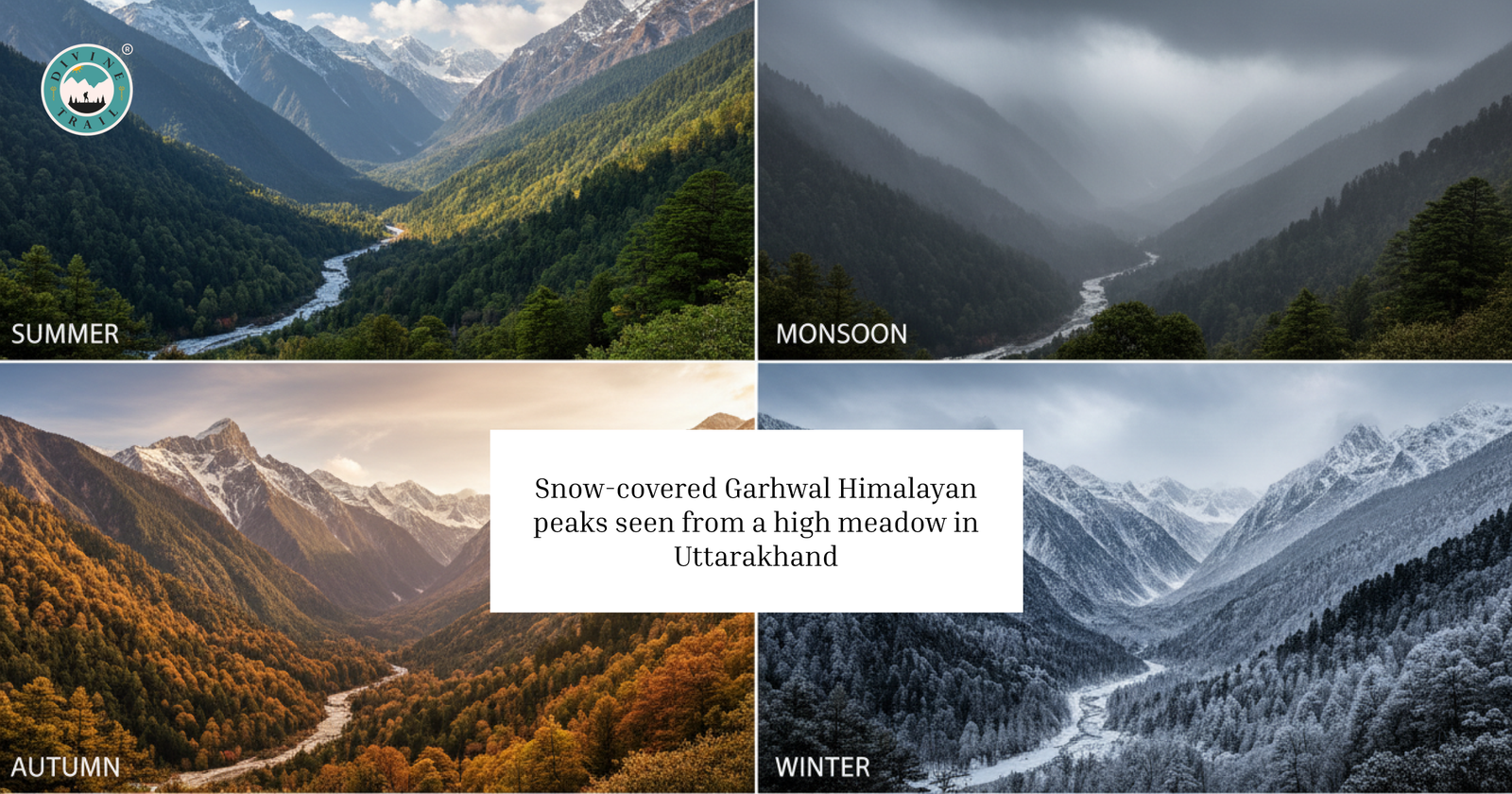
Winter is the season the Himalayas get quiet. The crowds thin out, the air clears, and the peaks that stayed hidden behind monsoon haze all summer finally show themselves. Between December and March, a handful of trails in Uttarakhand and Himachal turn into some of the best walking anywhere in the country.
Here are six that are worth your time, what each one asks of you, and when to go
What makes a good winter trek
Not every trail works in winter. The ones that do share three things.
They sit at the right altitude. Too low and there is no snow. Too high and the passes close. The sweet spot is roughly 11,000 to 13,000 feet, high enough for reliable snow and low enough that the route stays open.
They have a defined trail. In deep snow, a faint trail disappears. Winter treks need a route that is walked often enough to stay findable.
They have escape options. Weather in the Himalayas changes in hours. A good winter trek has villages or road heads close enough that a group can descend quickly if it needs to.
The six winter treks
Kedarkantha
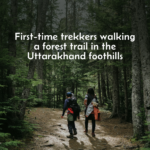
Uttarakhand’s most-walked winter trek, and there is a reason. The summit sits at 12,500 feet and the climb to it is genuinely achievable for someone who has never trekked before. You walk through oak and pine forest, camp near the frozen lake at Juda Ka Talab, and finish with a summit push that gives you a full sweep of the Garhwal range.
Best months: December to March, with the deepest snow in January. Suits: complete beginners.
Brahmatal
Brahmatal tops out around 12,250 feet and it is the trek people usually pick after Kedarkantha. The draw is the view. From the ridge you get Trishul and Nanda Ghunti sitting almost directly in front of you, and on a clear winter morning that view is hard to beat. The trail runs 6 days, 5 nights with Divine Trail.
Best months: December to March. Suits: beginners who want something slightly longer.
Kuari Pass
The pass sits at roughly 12,500 feet on what was once called the Curzon Trail. It is longer than Kedarkantha and Brahmatal, 6 days and 5 nights, and it earns that extra time with a wider, more open landscape. Snow arrives reliably from late December.
Best months: December to February. Suits: anyone with one trek already behind them.
Chopta, Tungnath and Chandrashila
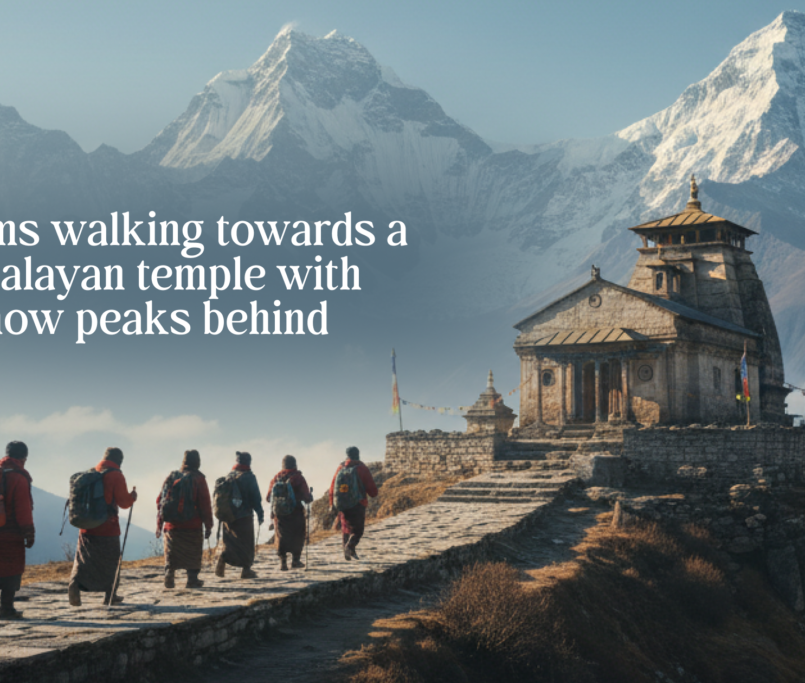
The shortest trek on this list at 5 days and 4 nights, and the only one with a temple at the top. Tungnath is the highest Shiva temple in the world, and the Chandrashila summit above it opens onto Nanda Devi, Trishul and Chaukhamba. In winter the last stretch is under snow and the whole thing takes on a different character.
Best months: December to March. Suits: first-timers, and anyone short on days.
Har Ki Dun
The valley sits at about 11,700 feet and it is one of the few treks here where the villages are as much the point as the mountains. Osla and Seema are old settlements with their own architecture and their own way of doing things. Divine Trail runs it over 7 days and 6 nights, the longest Uttarakhand option in this list.
Best months: December to March, though it also works well in autumn. Suits: trekkers who want culture alongside the walking.
Winter Spiti
Not a trek in the usual sense. This is 8 days and 7 nights through a valley that spends winter at minus twenty, staying in village homestays, with a real chance of seeing snow leopard country. It is the hardest thing on this list in terms of cold tolerance, and the most memorable.
Best months: January and February. Suits: experienced travellers who handle cold well.
Winter treks compared
| Trek | Duration | Max altitude | Difficulty | Best months |
| Kedarkantha | 6 days | 12,500 ft | Easy | Dec to Mar |
| Brahmatal | 6D / 5N | 12,250 ft | Easy | Dec to Mar |
| Kuari Pass | 6D / 5N | 12,500 ft | Easy to moderate | Dec to Feb |
| Chandrashila | 5D / 4N | Approx 13,000 ft | Easy | Dec to Mar |
| Har Ki Dun | 7D / 6N | 11,700 ft | Moderate | Dec to Mar |
| Winter Spiti | 8D / 7N | Valley floor | Moderate | Jan to Feb |
What to carry
Winter kit is not the same as summer kit with an extra jacket. The list that actually matters:
- Insulated waterproof trekking boots, worn in before you travel
- Three layers on the body: thermal base, fleece mid, insulated outer shell
- Waterproof gloves, plus a thin inner pair
- Woollen cap that covers the ears, and a neck gaiter
- UV sunglasses. Snow glare at altitude is worse than beach glare
- Gaiters and, on some routes, microspikes
- Headlamp with spare batteries. Cold drains batteries fast
Divine Trail shares a full checklist once you book.
Frequently asked questions
Which is the easiest winter trek in India?
Kedarkantha, comfortably. The altitude gain is gradual, the trail is well defined even under snow, and the summit is achievable for someone with no prior trekking experience.
Do I need prior experience for a winter trek?
For Kedarkantha, Brahmatal or Chandrashila, no. You need to be able to walk five to six hours on uneven ground. For Har Ki Dun or Winter Spiti, one previous trek helps.
How cold does it get?
Daytime on most of these trails sits a few degrees either side of zero. Nights at the higher campsites drop well below. Winter Spiti is in a different category altogether.
When does the snow actually arrive?
Reliably from late December on most Uttarakhand trails. Early December is a gamble, some years there is deep snow and some years there is none.
Are winter treks safe?
With a guided group, acclimatisation days built in and proper gear, yes. The risks come from going unguided, going too fast, or going underequipped.

Best Treks in October & November 2026: Autumn in the Indian Himalayas - Divine Trail
October 7, 2026[…] shifts to Kedarkantha, Brahmatal and Kuari Pass in full winter. For that, see our guide to the best winter treks in India for 2026–27, and our beginner-friendly snow summit, the Kedarkantha […]